The Truth About Visa Interviews for Digital Nomads (And How to Ace Them)
They're Not Trying to Trick You (Seriously)

Let's get this out of the way. The visa interview isn't an interrogation. It's not designed to be a "gotcha!" game. The officer isn't there to find a reason to hate you. Their actual job is to verify that your application story is true and consistent. They want to tick a box. Your job is to make that box-ticking process smooth and obvious. Stop picturing a villain. Start picturing a busy bureaucrat with a checklist. That mental shift? It's the first step to acing this.
Your Prep is Everything. No, Seriously.
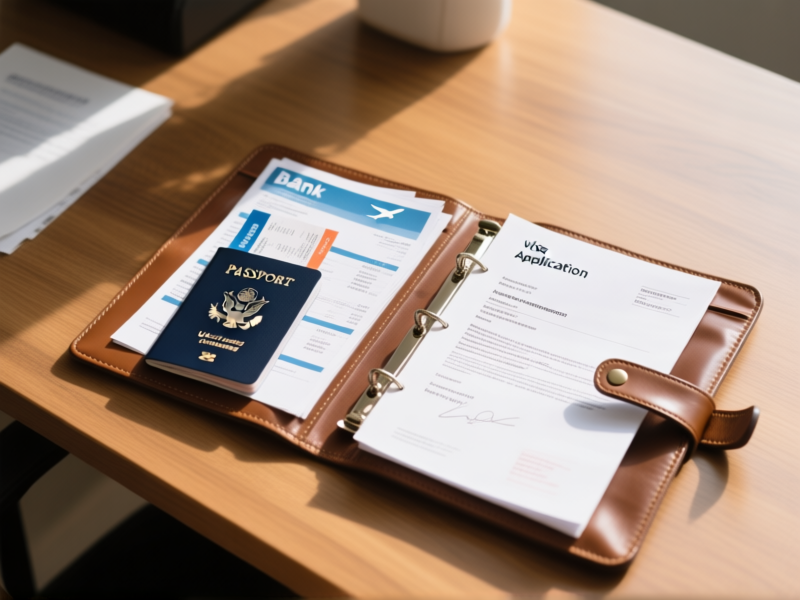
Walking into that interview unprepared is like showing up for a client call without knowing their name. A total amateur move. Your preparation is your armor. It should be obsessive. Have two copies of everything . Bank statements, invitation letters, employment contracts, tax returns. Know your own documents backward and forward. Practice answers out loud, but don't memorize a script word-for-word—that's robotic. The goal isn't to recite. The goal is to be so familiar with your own story that you can tell it naturally, even when you're nervous. Check. Double-check. Then check again.
The Three Questions You Will Get Asked
Almost every interview boils down to variations of the same core inquiries. Nail these, and you're 90% there. One: "What is the purpose of your visit?" Be specific. "Tourism and remote work" is good. "I plan to explore Lisbon while continuing my job as a software developer for a US-based company" is better. Two: "How will you support yourself?" This is where you gesture to your bank statements and employment letter. Show the proof, don't just talk about it. Three: "When do you plan to leave?" Have a return ticket or a clear, believable plan. The underlying question for all three is simple: Are you likely to overstay? Your entire performance should scream "NO."
The Day Of: Mindset Over Magic
Arrive early. Dress like you're meeting a client's boss—smart casual works. Be polite to everyone, from the security guard up. You're being watched from the moment you enter the compound. In the booth, breathe. Make eye contact. Listen to the question fully before answering. If you don't understand, it's okay to say, "Could you please repeat that?" Answer the question asked, then stop. Don't volunteer extra, unsolicited information. You're not there to make a friend. You're there to present a clear, credible case. Treat it like a formal, important chat. Because it is.
Here's the Uncomfortable Truth
Sometimes, you do everything right and you still get a "no." It happens. The officer might not believe your ties to home are strong enough. The funding might look shaky to them. It's subjective. Don't take it personally. Well, take it a little personally, then use it. Ask for clarification on the reason for refusal if possible. Go back, strengthen your application, and try again. A rejection isn't a lifetime ban. It's feedback. Harsh, expensive, frustrating feedback. But it's not the end of your story.