Tax Deductions for Freelancers on Digital Nomad Visas You're Probably Missing
The Nomad Tax Blindspot: You're Paying Too Much
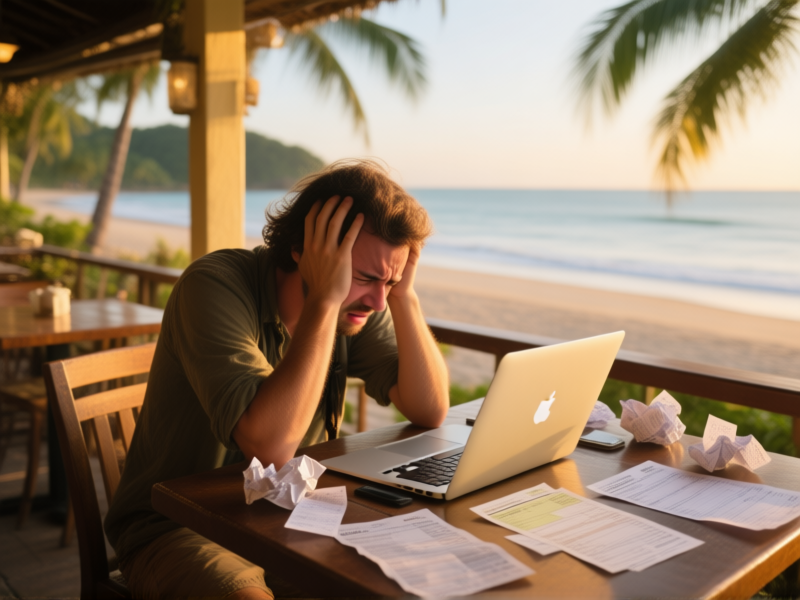
Let's be real. You're great at picking cities and finding wifi. You probably track your flights and client invoices. But tax deductions? For most nomads, it's a blurry mess. Governments don't exactly hand you a pamphlet titled "How to Legally Pay Less While Working From Bali." So you default to the obvious stuff and miss the goldmine. But here's the thing: your unique, location-independent life is packed with write-offs. You just have to know where to look. And the rules are often way more flexible than you think.
Your "Home Office" is Anywhere You Set Up Shop
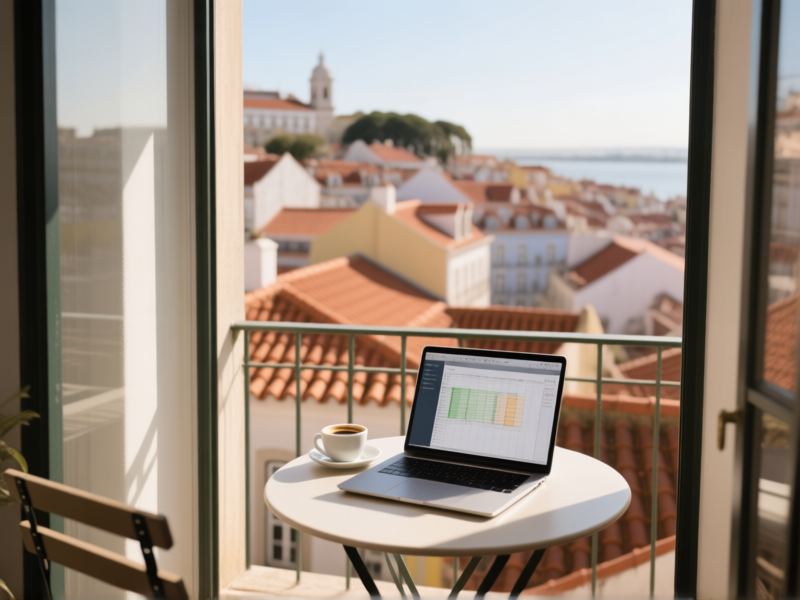
Forget the American idea of a dedicated room. Your home office is that cafe table, that Airbnb desk, that beachside coworking day-pass. Seriously. If you use a space regularly and exclusively for work, a portion of that cost is deductible. That's your rent, utilities, even internet. Calculate the square footage (or time) used for work versus living. 30% of your Lisbon apartment rent? Deduct it. 50% of your monthly internet bill in Mexico? That's a business expense. It's the single biggest missed opportunity. Stop thinking "permanent" and start thinking "purpose."
The Co-Working Shuffle is a Tax Move
You get it for the community and the reliable connection. But that monthly membership is a 100%, no-question-asked business expense. It's your office rent. The same goes for day passes when you're testing a new city. Even that overly expensive coffee you bought because you camped at the cafe table for five hours? If you were working, it counts. Keep the receipts. Log it as a "meeting space" or "office utilities" cost. The IRS (or your home country's equivalent) sees "co-working membership" and thinks "rent." It's that simple.
Travel Isn't Just a Vacation Anymore
This is where it gets good. That flight to Portugal? If you're going there to work, network, or secure clients, it's likely deductible. The key is intent and documentation. Did you attend a meetup? Have coffee with a potential client? Then your flight, lodging, and 50% of meals during those "business days" are in play. You need a log. Note who you met, the business purpose. Mixing work and pleasure? Pro-rate it. A two-week trip with 7 solid work days? 50% of the flight cost and 7/14 of the accommodation could be fair game. Don't guess. Track it.
Your Gear is Your Business
Laptop. Done. But what about everything that makes remote work actually work? That fancy noise-cancelling headphone for client calls? Business expense. The portable monitor that boosts your productivity? Deduction. The VPN subscription to access work data securely? Yep. The travel router, the ergonomic mouse, the laptop stand to save your back. If you bought it to do your job better, it's likely a capital asset or direct expense. Even software. Your project management tool, accounting software, Canva Pro, Adobe Suite. These aren't personal luxuries. They're your business's operating system. Treat them that way.
Skill Up Without Paying Full Price
That online course on SEO? The certification in project management? The language app you use to communicate with international clients? If it maintains or improves the skills required for your current freelance work, it's deductible. You're not just a traveler. You're a business owner investing in your only product: you. Conference tickets, industry books, professional membership dues—all fuel for your freelance engine. And that fuel is tax-advantaged. Don't pay for professional development with post-tax dollars. It hurts twice as much.
The Golden Rule: Stop Assuming and Start Logging
All of this falls apart without a system. You need two things: a digital receipt folder (use an app, take a picture immediately) and a simple log. One hour a month. That's it. Categorize everything as you go. When tax time comes, you're not scrambling. You're just handing over clean, defensible records. Talk to an accountant who gets remote work. A few hundred bucks for their advice could save you thousands. Because the goal isn't to cheat the system. It's to use it. To stop subsidizing your nomadic business with money that should stay in your pocket. Your adventure is your office. Start acting like it.