Germany's Freelance Visa (Freiberufler): The Original Nomad Visa for Skilled Workers
So, What Actually Is a Freiberufler?
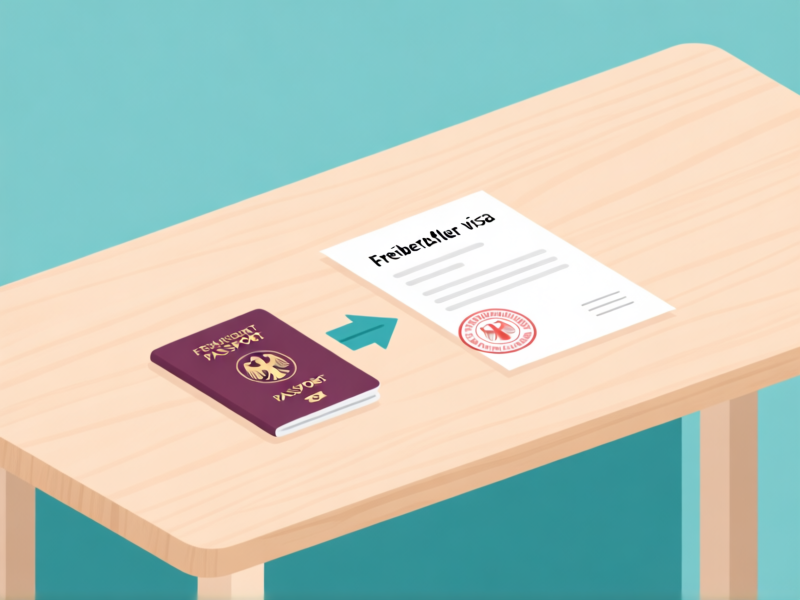
Everyone's talking about "digital nomad visas" these days. Portugal's D7, Spain's new scheme, Croatia's offering. It feels trendy. But Germany? They've been doing this for decades. The Freiberufler visa is the O.G., the blueprint. The term "Freiberufler" translates roughly to "liberal professional." This isn't about gig economy stuff. Think skilled, knowledge-based work. Architects, consultants, engineers, translators, certain IT specialists, writers, artists. You're not an employee, and you're not running a classic trade business (that's the "Gewerbe"). You're a solo expert. The visa exists because Germany values that kind of brainpower. It's structured, official, and leads directly to long-term residency. It was a nomad visa before "nomad" was a LinkedIn bio.
Who Actually Qualifies? (It's Not Just "Any" Freelancer)
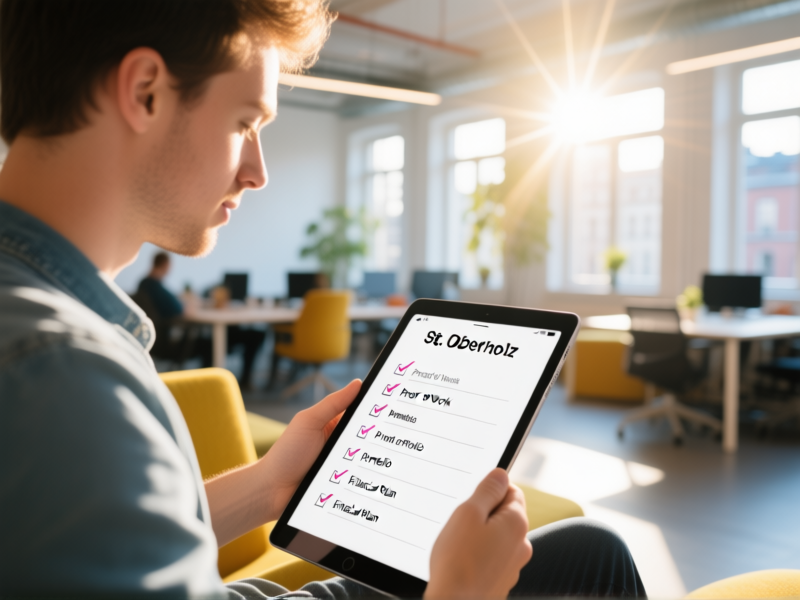
Here's the thing: you can't just rock up and say you're a "social media manager." The German authorities are famously thorough. They need to be convinced your work fits the *Freiberufler* definition. You'll need a solid track record. Contracts or letters of intent from clients, a strong portfolio, a professional website. They want to see a viable business plan. "I think I can get clients" won't cut it. You need to show you already have them, or at least have concrete offers. The good news? If your profession is on the traditional list (doctor, lawyer, architect, etc.), you're golden. For newer fields like software development or UX design, you'll need to argue your case more persuasively. It's about proving you're an established professional, not just testing the waters.
The Nuts and Bolts: Applying for the Visa
Let's get practical. You usually apply from your home country at the German embassy or consulate. The checklist is predictable but non-negotiable. Completed application forms. Your passport. Biometric photos. Proof of health insurance that works in Germany (private expat insurance is the standard move at first). That business plan we talked about. Client contracts or letters of intent. Proof of your professional qualifications (degrees, certificates). Proof you can support yourself financially—bank statements are key. They want to see you won't be a burden on the state. It's paperwork hell, but it's a purposeful hell. Every document has a job. Get a translator for anything not in German or English. Triple-check everything. German bureaucracy rewards precision and punishes sloppiness.
Why Berlin is the Unofficial Freiberufler Capital
Okay, so the visa is for all of Germany. But let's be real. Most of you are thinking about Berlin. And for good reason. The city has a magnetic, gritty energy that attracts creators and tech folks. The cost of living, while rising, is still lower than London or Paris. There's a massive English-speaking community. Co-working spaces everywhere. Endless meetups and networking events. The city practically runs on freelancers. That doesn't mean it's easy. Finding an apartment is a bloodsport. The winter gray can last for months. But the trade-off is a culture that gets it. You're not weird for having a portfolio instead of a payslip. Your visa is literally designed for people like you. That's a powerful feeling.
The Biggest Pitfall (And How to Avoid It)
You've got the visa. You're in Berlin. Life is good. Then you get a letter from the *Finanzamt* (tax office) or the *Gewerbeamt* (trade office). This is the moment. The #1 mistake is accidentally registering as a *Gewerbe* (trade business) instead of maintaining your *Freiberufler* status. The difference is huge. *Freiberufler* have simpler tax returns and don't pay trade tax. *Gewerbe* means more complex accounting, trade tax, and different social security considerations. When you register your address, make it crystal clear you are a *Freiberufler*. Use the term. Have your visa documents ready. If you're unsure, get a German tax advisor (*Steuerberater*) who specializes in freelancers. The first 100€ you spend on professional advice can save you thousands and a massive headache later.