Criminal Background Checks for Digital Nomads: A Complete Guide
Wait, Do Digital Nomads Actually Need These?

Let's get this out of the way: yes, you probably do. And it’s a huge pain. I know, I know. You're just a writer, a designer, a coder. You're not a spy or an international fugitive (I hope). But to the country you're trying to live in, you're a complete stranger. They don't have your life history. That police clearance certificate is their way of doing a quick background check. It's not personal. It's just paperwork. Annoying, bureaucratic, soul-sucking paperwork.
It’s Not Just One Check. Here’s The Menu.
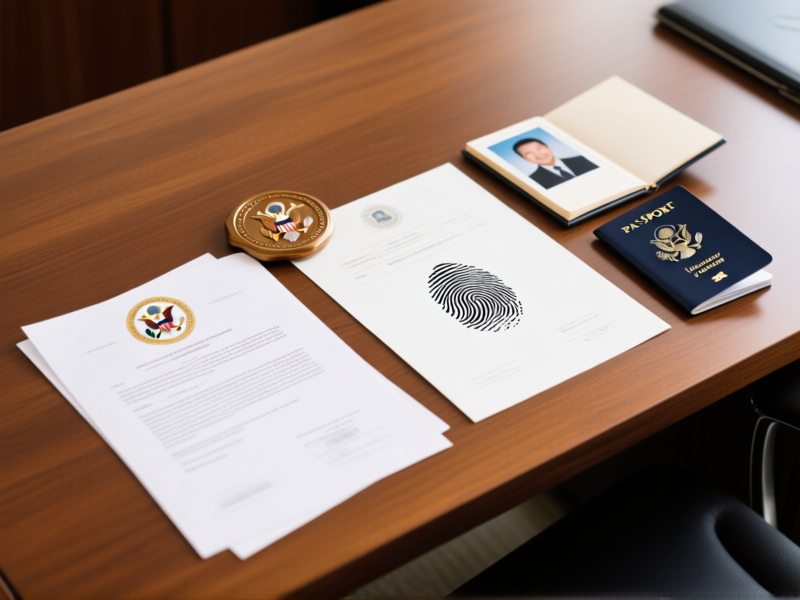
This is where people trip up. A "background check" can mean a few things. You've got your standard **Police Clearance Certificate** (PCC) from your home country. That's the big one. But some countries want an **FBI Identity History Summary** (if you're American) or an **Interpol certificate**. Others might accept a notarized affidavit if you've been clean. You can't just guess. You have to read the specific visa requirements for your target country. Word for word. Twice.
Getting Yours: The Paper Chase Begins
Okay, buckle up. The process is almost universally awful. It involves navigating your home country's most confusing government website, figuring out if you need fingerprints (you often do), and paying a mysterious fee. Then you wait. And wait. Pro tip? Start this process months before you think you need to. No, seriously. Earlier. Things get lost. Systems crash. A three-week estimate can turn into three months of pure anxiety. Don't let this be the thing that kills your launch date.
Timing is Everything (And It's Tight)
Here's the killer detail that catches everyone: the expiry. Most countries want a police certificate that's issued within the last 3 to 6 months. Sometimes 12 if you're lucky. You can't just dig up the one you got for that job two years ago. This creates a logistical nightmare. You need the document old enough to be processed, but fresh enough to be valid. It's a brutal dance with calendars. Get the certificate *after* you have a solid visa application timeline, but not so late that you're sweating bullets.
The “Clean” Record vs. The “Uh-Oh”
What if you have a record? A DUI from college? A minor misdemeanor? First, breathe. Second, get a lawyer who specializes in immigration. Don't rely on forum advice. Many countries have rules about "spent" or pardoned convictions after a certain period. But transparency is non-negotiable. Lying on a visa application is the one surefire way to get a permanent ban. Dealing with it honestly is a headache. Getting caught hiding it is a career-ender for a nomad.